
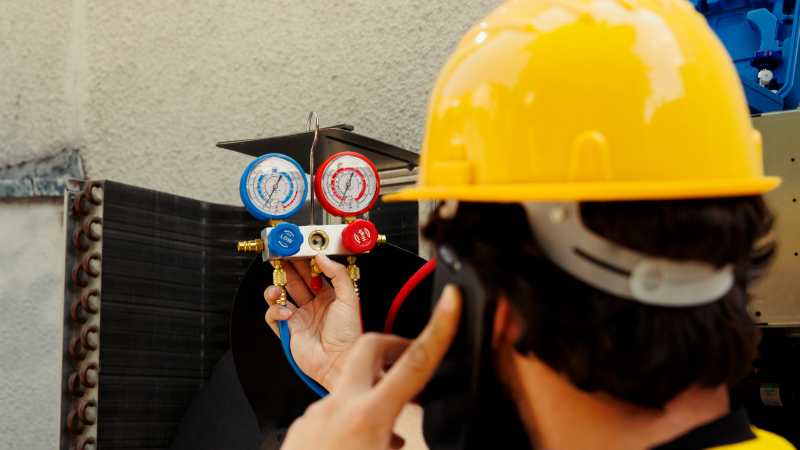
Commercial cooling systems play a vital role in maintaining a comfortable and productive environment in offices, retail spaces, and industrial facilities. However, when these systems are not functioning efficiently, they can silently increase energy consumption, raise maintenance costs, and reduce overall performance.
Many business owners fail to recognize the early warning signs of inefficiency, which leads to higher expenses over time. This article explores 10 Warning Signs Your Commercial Cooling System Is Increasing Your Costs More Than Expected, helping you identify issues early and take action before they become major problems.
Why Cooling System Efficiency Matters
An efficient cooling system not only maintains indoor comfort but also helps control operational costs. Poor performance can lead to increased energy bills, frequent repairs, and reduced equipment lifespan.
Key benefits of an efficient system include:
- Lower energy consumption
- Reduced maintenance expenses
- Improved indoor air quality
- Longer equipment lifespan
- Better workplace comfort
Understanding 10 Warning Signs Your Commercial Cooling System Is Increasing Your Costs More Than Expected can help businesses avoid unnecessary expenses and maintain optimal performance.
1. Rising Energy Bills
One of the most obvious signs of an inefficient cooling system is a sudden increase in energy bills.
What to Look For
- Higher monthly electricity costs without increased usage
- Energy spikes during normal operating hours
- Increased load on the system
An inefficient system consumes more energy to deliver the same level of cooling, leading to higher operational costs.
2. Inconsistent Cooling Performance
If some areas of your building feel cooler than others, it may indicate a problem with the system.
Possible Causes
- Blocked air ducts
- Faulty thermostats
- Poor airflow distribution
Uneven cooling not only affects comfort but also forces the system to work harder, increasing costs.
3. Frequent Repairs
Needing constant repairs is a clear sign that your cooling system is not functioning properly.
Warning Signs
- Regular breakdowns
- Repeated component replacements
- Increased maintenance expenses
Frequent repairs can quickly add up, making it more expensive to maintain the system over time.
4. Strange Noises During Operation
Unusual sounds such as grinding, banging, or rattling often indicate mechanical issues.
Common Causes
- Loose components
- Worn-out parts
- Motor problems
Ignoring these noises can lead to more serious damage and higher repair costs.
5. Poor Airflow
Weak airflow reduces the effectiveness of your cooling system.
Causes of Poor Airflow
- Dirty air filters
- Blocked vents
- Damaged ductwork
Reduced airflow forces the system to work harder, increasing energy consumption.
6. Unpleasant Odors
Strange smells coming from your cooling system may indicate underlying issues.
Possible Reasons
- Mold or mildew buildup
- Dirty filters
- Electrical problems
Poor air quality can affect both comfort and health, making it important to address these issues quickly.
7. Outdated Equipment
Older cooling systems are generally less efficient than modern ones.
Signs of Outdated Systems
- High energy usage
- Frequent breakdowns
- Lack of modern features
Upgrading outdated equipment can significantly improve efficiency and reduce costs.
8. Constant Running Without Breaks
A cooling system that runs continuously without cycling off may be struggling to maintain the desired temperature.
Possible Causes
- Incorrect thermostat settings
- Refrigerant issues
- System overload
Continuous operation increases wear and tear, leading to higher maintenance costs.
9. Water Leaks or Moisture Issues
Excess moisture or leaks around the system can indicate problems.
Common Causes
- Blocked drainage lines
- Refrigerant leaks
- Broken components
Water damage can lead to structural issues and additional repair expenses.
10. Lack of Regular Maintenance
Skipping routine maintenance is one of the main reasons cooling systems become inefficient.
Consequences of Neglect
- Reduced performance
- Increased energy consumption
- Shorter system lifespan
Regular maintenance is essential for preventing costly problems and ensuring smooth operation.
How to Improve Cooling System Efficiency
Addressing these warning signs early can help reduce costs and improve system performance.
Practical Solutions
Schedule Regular Inspections
Routine checks help identify issues before they become serious.
Clean or Replace Filters
Clean filters improve airflow and efficiency.
Seal and Insulate Ducts
Proper insulation prevents energy loss.
Upgrade Old Systems
Modern systems are more energy-efficient and reliable.
Following these steps aligns with 10 Warning Signs Your Commercial Cooling System Is Increasing Your Costs More Than Expected, helping businesses maintain efficient operations.
Importance of Professional Maintenance
While some maintenance tasks can be handled internally, professional servicing ensures deeper system checks.
Benefits of Professional Service
- Accurate diagnosis of issues
- Proper calibration of equipment
- Safe handling of technical components
- Improved overall efficiency
Professional maintenance reduces the risk of unexpected failures.
Cost Benefits of Timely Action
Taking action early can prevent small issues from becoming major expenses.
Financial Advantages
- Lower repair costs
- Reduced energy bills
- Extended equipment lifespan
- Improved productivity
Understanding 10 Warning Signs Your Commercial Cooling System Is Increasing Your Costs More Than Expected allows businesses to make cost-effective decisions.
Creating a Maintenance Schedule
A structured maintenance plan helps keep your cooling system in top condition.
Suggested Schedule
- Monthly: Check filters and airflow
- Quarterly: Inspect components and clean ducts
- Annually: Full system inspection
Consistency ensures long-term efficiency and reliability.
Common Mistakes to Avoid
Avoiding certain mistakes can help maintain your system effectively.
Mistakes to Watch Out For
- Ignoring warning signs
- Delaying repairs
- Using low-quality replacement parts
- Skipping maintenance routines
Avoiding these errors helps reduce long-term costs.
Long-Term Benefits of Efficient Cooling Systems
An efficient cooling system provides several long-term advantages.
Key Benefits
- Lower operational costs
- Improved comfort
- Better air quality
- Increased equipment lifespan
- Enhanced business productivity
These benefits highlight the importance of recognizing 10 Warning Signs Your Commercial Cooling System Is Increasing Your Costs More Than Expected.
Final Thoughts
Commercial cooling systems are essential for maintaining a comfortable and productive environment. However, inefficiencies can lead to increased costs and reduced performance if not addressed promptly.
This guide on 10 Warning Signs Your Commercial Cooling System Is Increasing Your Costs More Than Expected emphasizes the importance of early detection, regular maintenance, and smart upgrades. By paying attention to warning signs and taking timely action, businesses can save money, improve efficiency, and extend the life of their cooling systems.