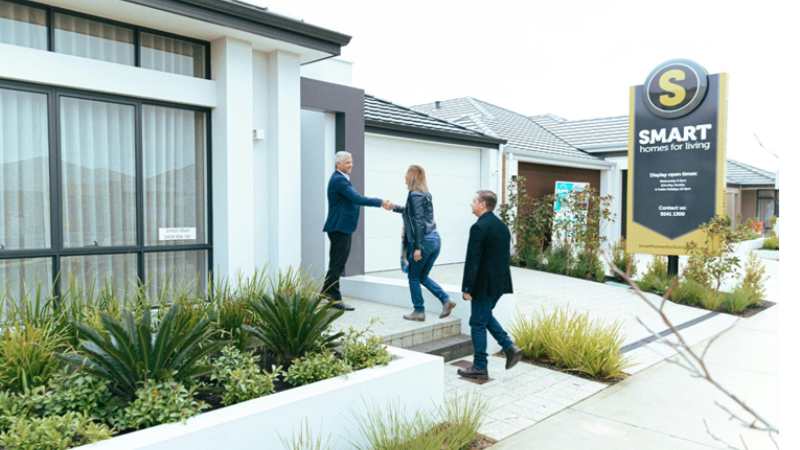
The way we perceive a digital environment is fundamentally tied to our understanding of our own bodies. When a viewer looks at a 3d architecture render, they are not just looking at a collection of polygons and textures. They are subconsciously trying to fit themselves into the scene. This cognitive process, often linked to proprioception, allows a person to understand the “feel” of a space even if they have never stood in it. Without a recognizable reference point, like a human figure, the brain struggles to distinguish between a massive atrium and a small room. A door might look like a gate, or a high ceiling might feel claustrophobic simply because there is no baseline for measurement.
Empty spaces in visualization often feel “dead” or clinical. They lack the warmth and narrative that a populated architectural render provides. When we see a person sitting on a step or walking through a corridor, our brains immediately begin mapping the room’s volume. We understand the distance from the floor to the ceiling and the hallway width because we know how big a person is. In 2026, data suggest that viewers spend nearly 40% more time engaging with images that include human activity than with those that show only empty structures. This engagement comes from the viewer’s ability to imagine their own life unfolding within those walls. Human presence transforms a cold, technical drawing into a lived-in, approachable destination.
Defining Scale Through Diverse 3D People
Precision in a rendering service is often judged by how well the viewer can gauge the physical dimensions of the proposed build. Using varied human figures is a technical necessity to establish these accurate proportions. A single person standing near a doorway or sitting on a custom-built bench immediately conveys the furniture’s ergonomics and the height of the architectural features. It grounds the abstract geometry in reality. If a corridor appears wide on plan but feels tight in a render because a 3D figure seems cramped, the architect can adjust the design before a single brick is laid.
Diversity in these figures is equally critical. Architecture renderings serve as a promise of inclusivity to the public and to stakeholders. Using realistic 3D people that reflect the demographics of the project’s specific location—whether age, ethnicity, or physical ability—helps the community see the project as a functional part of their world. It moves the conversation away from the building as an abstract object and toward its role as a social container. When an elderly person or a child is depicted using a ramp or a public plaza, it shows that the design has considered everyone’s needs. This level of detail builds trust and demonstrates that the architect has looked beyond the blueprint to the people who will actually inhabit the space.
Setting The Vibe: Lighting, Local Vegetation, And Context
The “atmosphere” of a digital space is rarely the result of the building alone. It is created through a careful layering of secondary elements that provide context. Local flora plays a massive role in making a 3d architecture render feel grounded in its specific geography. For instance, using native oak trees for a project in London versus palm trees for a resort in Dubai tells a specific story about climate, soil, and environment. If a designer uses generic greenery, the render loses its sense of place.
When these natural elements are combined with human activity, they define the “vibe.” A bustling commercial hub is not just a glass building; it is the sight of people carrying coffee cups, pigeons on the pavement, and sunlight filtering through the leaves of local trees. Conversely, a quiet public park is defined by the soft shadows of a willow tree and a single figure reading on a bench. A professional rendering service uses these granular details to trigger an emotional response. Statistics from recent marketing studies indicate that emotional resonance is a leading factor in client retention, with “vibe-focused” renders seeing a 25% increase in positive feedback over purely technical ones. The goal is to make the client feel the breeze and hear the distant chatter of the crowd.
The Role Of Scale Figures In Public And Commercial Approval
City planners and commercial investors rarely have the same spatial intuition as a trained architect. They rely heavily on visuals to understand pedestrian flow, occupancy levels, and the overall impact on the urban fabric. This is where 3d rendering for architects becomes a vital tool for communication. In public hearings, the community needs to see how they will personally interact with the space. They want to know if the sidewalk is wide enough for a stroller or if the plaza will feel safe at night.
There is a measurable statistical trend in 2026 showing that renderings featuring realistic human activity have a 30% higher approval rate in public forums. This is because people are the ultimate end-users of architecture. Their presence in a render validates the design’s utility. When an investor sees a crowded retail space or a vibrant office lounge, they see a return on investment. When a neighbor sees people enjoying a new community center, they see an asset rather than an eyesore. Showing a mother walking her dog or a student on a laptop proves that the building is not just a monument to the architect’s ego, but a functioning, breathing part of the neighborhood.
Strategic Placement Of 3D Assets For Maximum Impact
Populating a scene requires more than just dropping models into a file. It takes a strategic eye to ensure the assets enhance the architecture rather than distracting from it.
- Use Group Dynamics: Place people in small groups to suggest social interaction and the “stickiness” of the public space.
- Direct The Eye: Position figures so their movement or gaze points toward key architectural features, such as the main entrance or a distinctive facade.
- Match The Season: Ensure that the clothing of 3D people and the state of the vegetation match the time of day and the specific season depicted.
- Depth Of Field: Place some figures in the foreground to provide a sense of depth and others in the background to show the vastness of the space.
- Path Of Travel: Show people using walkways and stairs to demonstrate the intuitive flow of the floor plan and how people naturally navigate the site.

Avoiding The “Uncanny Valley” In Architectural Visuals
While adding life to a scene is important, it carries the risk of the “uncanny valley.” This is the point where human figures look realistic enough to be recognizable but “off” enough to be disturbing. Low-quality 3D assets or poorly integrated photos can ruin a high-end architectural render. If a person appears to be floating, or if their lighting doesn’t match the sun’s position in the scene, the illusion is shattered. The viewer’s brain focuses on the error rather than the architecture.
A high-end rendering services provider ensures that every asset is seamlessly integrated. This involves the correct application of shadows, reflections, and even subtle motion blur for walking figures. These technical nuances are what keep the viewer immersed. In a professional workflow, the human figures are treated with the same level of care as the building materials. Quality is always more important than quantity. One perfectly lit, well-placed figure is far more effective than a dozen generic, poorly rendered models that distract from the design intent.
Conclusion
The shift toward human-centric design in architectural visualization is more than just a trend; it is a recognition of what makes a building successful. The ultimate goal of any 3d architecture render is to tell a human story. A building is just a shell until people occupy it, and the render should reflect that reality. As we move through 2026, the demand for high-fidelity, populated renders continues to grow. Clients and the public are prioritizing the “human experience” of a project over its technical specifications or abstract geometry.
By carefully selecting and placing scale figures, architects can bridge the gap between a digital concept and a physical destination. Whether through the psychology of scale, the diversity of characters, or the integration of local context, the presence of people validates the design. It turns a structure into a home, an office into a community, and a rendering into a window to the future. Adding a person to an architectural render is the final, essential step in proving that a project is ready for the real world.