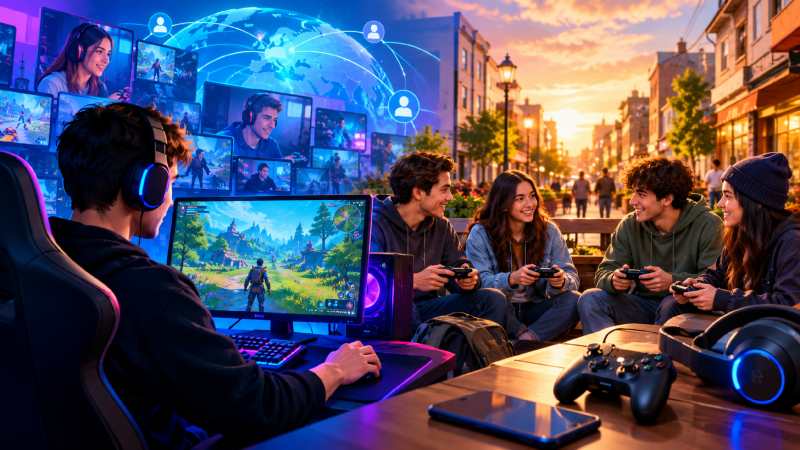
Gaming has become an important part of modern entertainment, bringing people together through technology, shared interests, and interactive experiences. From online multiplayer games to gaming discussions and digital communities, players now have many ways to connect with others around the world. At the same time, physical places, streets, and local communities continue to influence how people spend their leisure time and interact with one another.
The phrase eurogamersonline polmolas street can be explored through the broader ideas of online gaming, community spaces, digital culture, and the relationship between virtual entertainment and everyday life. Although the phrase itself does not provide enough information to confirm a specific location or established gaming organization, it offers an opportunity to discuss how gaming communities develop and why places associated with culture and social interaction can attract attention.
Understanding these connections helps readers learn more about modern gaming trends, online communication, and the importance of responsible digital participation. Whether someone enjoys casual mobile games, competitive esports, or strategy-based adventures, gaming provides different ways to relax, develop skills, and connect with others.
This article explores the subject in a simple, informative way, focusing on gaming culture, community interaction, digital safety, and practical tips for enjoying online entertainment.
1. Understanding the Connection Between Gaming and Community
Gaming is no longer limited to playing alone in front of a screen. Modern games often include chat systems, multiplayer modes, online tournaments, and community forums. These features allow players to communicate, share strategies, and build friendships around common interests.
A gaming community can develop around almost anything, including a particular game, a genre, a gaming platform, or a local interest. Some communities focus on competitive performance, while others emphasize entertainment, creativity, and social interaction.
Community participation can help players learn new techniques and discover games they might not have considered before. Experienced players can offer advice to beginners, and collaborative activities can encourage teamwork.
However, healthy gaming communities require respect and clear expectations. Members should avoid harassment, discriminatory comments, cheating, and behavior that makes other participants uncomfortable. A positive environment allows people with different experience levels to enjoy gaming together.
The relationship between digital communities and physical locations is also worth considering. Streets, entertainment districts, gaming cafés, and community venues can provide opportunities for people to meet outside the virtual world. These spaces can complement online interaction by creating opportunities for face-to-face communication.
2. How Online Gaming Has Changed Entertainment
Online gaming has transformed entertainment by making interactive experiences available to a much wider audience. In the past, many players depended on local multiplayer sessions or single-player games. Today, internet connections allow people to compete or cooperate with players in different countries.
Several developments have contributed to this change.
Multiplayer Experiences
Multiplayer games allow participants to work together toward shared goals or compete against one another. Cooperative missions encourage communication, while competitive matches reward planning, practice, and quick decision-making.
Mobile Gaming
Smartphones have made gaming more accessible. People can play puzzles, racing games, simulations, and strategy titles without purchasing a dedicated gaming computer or console.
Streaming and Gaming Videos
Gaming videos and livestreams allow audiences to watch experienced players, learn techniques, and discover new entertainment. Content creators often build communities by discussing games and interacting with viewers.
Esports and Competition
Esports has created opportunities for skilled players to participate in organized competitions. Professional tournaments can include teams, coaches, sponsors, and audiences. Even at an amateur level, competitive gaming encourages preparation, coordination, and consistent practice.
These developments show that gaming is a broad entertainment category rather than a single activity. People can participate casually or competitively according to their interests, schedules, and available resources.
3. The Importance of Physical Places in Gaming Culture
Although online gaming takes place primarily through digital devices, physical locations remain important. Gaming cafés, entertainment centers, community halls, and technology events provide places where enthusiasts can meet and share their interests.
Such spaces can offer access to gaming equipment, reliable internet connections, and organized activities. They may also introduce newcomers to gaming communities that they would not otherwise discover.
The phrase eurogamersonline polmolas street may lead readers to consider how a named street or physical destination could relate to digital gaming culture. However, without a verified address or reliable source connecting the phrase to a real venue, it would be inaccurate to describe it as a confirmed gaming destination.
When researching a location associated with gaming, readers should look for practical details, including its official address, operating hours, available facilities, and recent visitor information.
Physical gaming spaces can also support social development. Players who meet regularly may develop friendships, learn to cooperate, and share knowledge about technology. For younger participants, supervised activities can provide structured opportunities to explore digital entertainment.
Nevertheless, the quality of a venue matters. Clean equipment, responsible staff, appropriate supervision, transparent pricing, and clear rules all contribute to a safer and more enjoyable experience.
4. What Makes an Online Gaming Community Successful?
A successful gaming community depends on more than the popularity of its games. Members need a welcoming environment, useful communication, and opportunities to participate.
Clear communication is one of the most important factors. Players should be able to exchange information, discuss strategies, and coordinate activities without unnecessary conflict.
Respectful behavior is equally important. Differences in skill, age, language, and personal preference should not become reasons for insulting or excluding other members.
Reliable information helps communities grow. Game guides, tutorials, announcements, and practical explanations allow newcomers to understand the rules and improve their abilities.
Fair play builds trust. Cheating, exploiting technical weaknesses, and deliberately disrupting other players can damage a community’s reputation.
Consistent participation also matters. Regular discussions, friendly competitions, and shared activities give members reasons to return. However, participation should remain voluntary rather than becoming an obligation.
Communities can strengthen these qualities by establishing moderation policies, reporting procedures, and clear consequences for harmful behavior. When members understand what is expected, they can focus more on enjoyment and less on unnecessary disagreements.
5. Choosing Games That Match Personal Interests
The gaming industry offers many genres, and selecting suitable games can make the experience more rewarding. Rather than following every popular trend, players should consider what they genuinely enjoy.
Strategy Games
Strategy games involve planning, resource management, and decision-making. Players may need to build settlements, manage teams, or anticipate an opponent’s actions. These games can be appealing to people who enjoy solving problems.
Adventure Games
Adventure titles often emphasize exploration, storytelling, puzzles, and character development. They can offer immersive experiences for players who prefer discovering fictional worlds at their own pace.
Racing and Sports Games
Racing and sports games recreate familiar competitive activities. They may appeal to players who enjoy quick matches, improving performance, and competing with friends.
Puzzle and Casual Games
Puzzle games provide short challenges that can fit into busy schedules. They often focus on logic, patterns, memory, or spatial reasoning.
Cooperative Games
Cooperative titles allow players to work toward shared objectives. They can encourage communication and teamwork because success often depends on coordinating actions rather than simply achieving individual scores.
Before choosing a game, consider its price, system requirements, online features, age rating, and optional purchases. A game that matches personal preferences and available resources is generally a better choice than one selected only because it is trending.
6. Digital Safety and Responsible Gaming
Online entertainment can be enjoyable, but players should understand the risks associated with digital platforms. Protecting personal information and maintaining healthy habits are essential parts of responsible gaming.
Protect Personal Information
Avoid sharing home addresses, passwords, financial details, or other private information with strangers. Gaming usernames should not reveal unnecessary personal details.
Use strong, unique passwords and enable two-factor authentication whenever available. These steps can help protect gaming accounts from unauthorized access.
Recognize Scams
Some websites and individuals offer fake rewards, free currency, or exclusive gaming items to obtain login information. Players should be cautious of unexpected offers and avoid downloading unknown files.
Official announcements and trusted sources are generally safer than unfamiliar links shared in chats or comments.
Communicate Carefully
Not everyone online has good intentions. Avoid clicking suspicious links or accepting unusual requests from unknown users. Report harassment, threats, or suspected scams through the platform’s reporting tools.
Manage Spending
Many games include optional purchases, subscriptions, or digital items. Set a budget before spending money, review payment settings, and obtain parental approval where appropriate.
These habits allow players to enjoy online activities while reducing avoidable risks.
7. Balancing Gaming With Everyday Responsibilities
Gaming can provide relaxation, but it should remain part of a balanced lifestyle. Spending too much time playing may interfere with sleep, schoolwork, employment, exercise, or relationships.
Creating a regular schedule helps maintain control over gaming habits. Players can decide in advance how much time they want to spend playing and take breaks between sessions.
Physical activity is also important. Standing up, stretching, drinking water, and resting the eyes can make long gaming sessions more comfortable.
Sleep deserves particular attention. Late-night gaming can make it difficult to maintain a consistent sleep schedule, especially when matches continue longer than expected. Setting a stopping time can help prevent this problem.
Parents and caregivers can support younger players by discussing appropriate games, setting reasonable boundaries, and encouraging other hobbies. The goal is not necessarily to eliminate gaming but to make sure it fits comfortably alongside other responsibilities.
A balanced approach allows gaming to remain an enjoyable activity rather than becoming a source of unnecessary stress.
8. How to Research EuroGamersOnline Polmolas Street
Readers interested in eurogamersonline polmolas street should begin by identifying what the phrase refers to. It might be a search term, a location-related reference, a community topic, or a phrase used in online content. Without reliable supporting information, its exact meaning cannot be confirmed.
A careful research process can help clarify the subject.
-
Search the complete phrase. Use the exact wording in a search engine to find pages that mention all the terms together.
-
Check the source. Determine whether the information comes from an established publication, an official organization, a business listing, or an unverified discussion.
-
Verify location details. If a physical street or venue is mentioned, compare its address with reliable mapping and local directory information.
-
Review recent information. Old pages may contain outdated addresses, discontinued services, or incorrect descriptions.
-
Compare independent sources. Look for agreement between multiple credible sources rather than relying on a single unexplained claim.
It is important to distinguish between information that has been verified and information that remains uncertain. A phrase appearing in search results does not automatically establish that a business, street attraction, or gaming organization exists under that exact name.
This approach helps readers find useful information without confusing speculation with established facts.
9. The Future of Gaming and Digital Communities
Gaming technology continues to develop, creating new ways for people to play, communicate, and participate in interactive entertainment.
Cloud gaming may allow more people to access demanding games without owning expensive hardware, although availability and performance depend on internet quality and service support.
Virtual reality and augmented reality can provide more immersive experiences by combining digital content with physical movement or real-world surroundings. These technologies may expand opportunities for entertainment, education, and collaborative activities.
Artificial intelligence is also influencing gaming through improved non-player characters, adaptive challenges, and development tools. These applications can make certain experiences more responsive to individual players.
Community features are likely to remain important. Players increasingly value opportunities to communicate, share creative work, organize events, and find others who enjoy similar games.
However, technological progress also brings challenges involving privacy, accessibility, moderation, and fair competition. Developers and community managers need to address these issues to ensure that new features benefit players.
The future of gaming will depend not only on better technology but also on creating experiences that are safe, accessible, and enjoyable for different audiences.
10. Practical Tips for New Gamers
People who are new to online gaming can start with a few simple practices.
-
Choose beginner-friendly games that explain their rules clearly.
-
Learn the controls before entering competitive matches.
-
Read reviews and check age ratings before downloading a game.
-
Use trusted platforms and keep software updated.
-
Communicate respectfully with other players.
-
Avoid suspicious downloads, unofficial rewards, and unrealistic offers.
-
Set spending limits and review optional purchases.
-
Take regular breaks and maintain a healthy daily routine.
-
Ask experienced players for advice when appropriate.
-
Remember that improvement takes time and that enjoyment matters more than winning every match.
Following these recommendations can help beginners build confidence without feeling pressured to master everything immediately.
Experienced players can benefit from the same principles by reviewing their habits, helping newcomers, and contributing positively to the communities they join.
Conclusion
Online gaming has grown into a diverse form of entertainment that connects people through competition, cooperation, technology, and shared interests. From mobile puzzles to organized esports, it offers experiences suited to different preferences, skill levels, and budgets.
Exploring eurogamersonline polmolas street requires separating the possible meaning of the phrase from facts that can actually be verified. Without dependable evidence identifying a specific location or organization, it is best to treat the wording as a research topic rather than assume that it describes an established destination.
More broadly, gaming communities thrive when players communicate respectfully, protect their privacy, follow fair-play principles, and maintain a healthy balance between digital entertainment and everyday responsibilities.
By choosing suitable games, researching unfamiliar names carefully, and practicing responsible online behavior, players can enjoy the benefits of gaming while avoiding common problems. Ultimately, the best gaming experiences combine entertainment, learning, creativity, and positive interaction with others.